Get your water tested
A test shows your TDS and other problems, so you buy the right system.
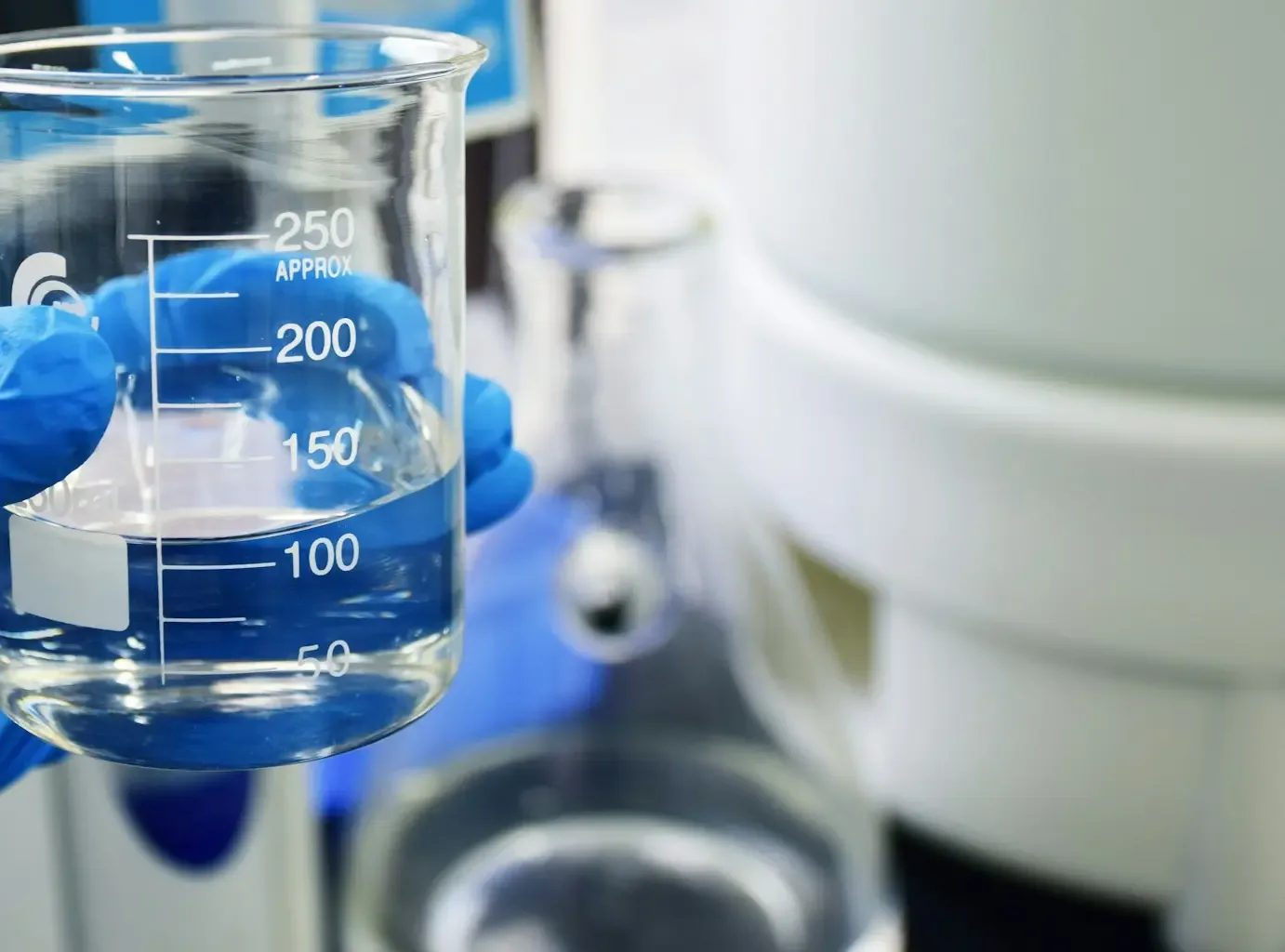
What the number on a TDS meter means, what it doesn’t tell you, and when it’s a reason to consider RO.
TDS stands for total dissolved solids: the minerals, salts and other substances dissolved in water. It is usually measured in milligrams per litre (mg/L), which is the same as parts per million (ppm), using a handheld TDS meter.
A TDS meter measures the total amount dissolved, not what it is. Two samples with the same TDS can contain very different things. TDS also says nothing about bacteria or viruses. A low TDS reading doesn’t mean water is free of germs.
The World Health Organization rates the taste of drinking water by its TDS level as follows.
| Feature | Taste rating | What it means for you |
|---|---|---|
| Under 300 mg/L | Excellent | No treatment needed for taste |
| 300 to 600 mg/L | Good | RO optional; depends on taste and use |
| 600 to 900 mg/L | Fair | Many people notice the taste; RO usually helps |
| 900 to 1,200 mg/L | Poor | RO is generally recommended for drinking water |
| Over 1,200 mg/L | Unacceptable | RO is needed for drinking water |
Source: World Health Organization, “Total dissolved solids in drinking-water”, background document for the WHO Guidelines for Drinking-water Quality (WHO/SDE/WSH/03.04/16). WHO sets no health-based limit for TDS itself; individual substances such as fluoride or nitrate have their own guideline values. Very low TDS water can taste flat.
A test shows your TDS and other problems, so you buy the right system.
See which technology fits your water.